 OilGasService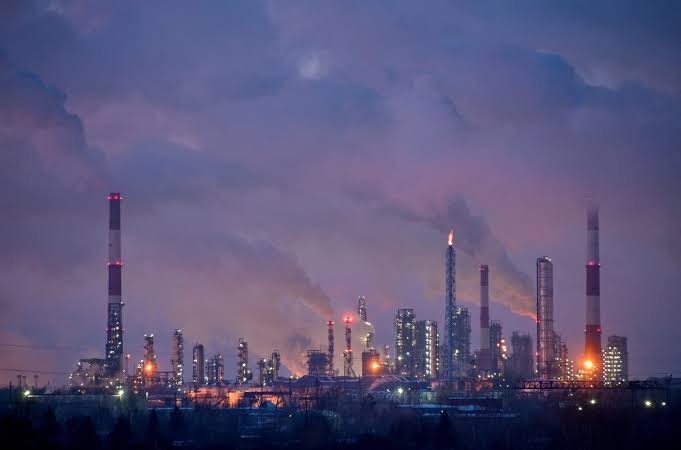
Russia May Ban Exports of Benzene, Phenol and Toluene
Government circles are actively considering a blanket export ban on benzene, phenol, toluene and xylene fractions. As Kommersant has learned, a working meeting on the issue was already held by the government economic commission in mid-August.
Domestic output of these petrochemical products has been steadily shrinking: last year, benzene production fell by 10.3% to 1.3 million tonnes, toluene output declined by 6.8% to 361,000 tonnes, and xylene production dropped by 17.3% to 370,000 tonnes.
These components are essential both for the fuel industry, where they are used as additives to improve octane characteristics, and for the synthesis of polymers, elastomers, dyes and household chemicals.
It is important to note that the Euro-5 standard limits aromatics content to no more than 35%. However, many refineries have now been granted an exemption allowing them to produce Euro-2 and Euro-3 fuel with a threshold of up to 42%.
Fuel Crisis Hits Plywood, Varnishes and Paints
Experts believe the root cause of the crisis is the redirection of aromatics flows toward gasoline production. As a result, domestic benzene prices, according to CCI data, have more than doubled over the year, ranging from RUB 70,000 to RUB 90,000 per tonne depending on the shipment point.
The shortage has sharply worsened the situation in consumer industries. Producers of resins for the woodworking industry that use phenol have found themselves in a difficult position: feedstock prices have reached a record high of RUB 135,000–150,000 per tonne. This will inevitably affect output of plywood and wood-based panels.
The acute shortage has also affected orthoxylene and toluene, which are critical for the paints and coatings industry. Their prices have jumped to an almost unthinkable RUB 250,000 per tonne — an unprecedented level for the entire observation period. Consumers unanimously describe the feedstock supply situation as catastrophic.
Export Ban on Aromatics Is Justified, Experts Say
At the same time, some analysts consider this imbalance justified: amid an external embargo on gasoline imports and an acute domestic shortage, exporting aromatics would be shortsighted. The proposed export ban is therefore seen as a forced but entirely logical anti-crisis measure.
Who Produces Aromatic Hydrocarbons in Russia
NiK recalls that Russia’s largest aromatics producers are mainly petrochemical enterprises owned by vertically integrated oil companies. These include Nizhnekamskneftekhim, a key export supplier shipping products to Europe and Turkey; Gazprom Neftekhim Salavat; Bashneft-Ufaneftekhim; the Omsk Refinery, owned by Gazprom Neft; SIBUR-Kstovo; and TANECO, owned by Tatneft.
There is also coal-derived benzene, for example as a by-product of metallurgy. If the ban applies to all benzene, metallurgical holdings will lose part of their export revenue. However, coal-derived benzene contains too many impurities, making its purification for gasoline production expensive and environmentally problematic.